
The Dark Side of English Learning: Language Anxiety and Perfectionism


The Dark Side of English Learning: Language Anxiety and Perfectionism
By Danesh Land

When English Learning Feels Heavy: The Hidden Mental Struggles
English learning is often portrayed as a gateway to global opportunities, education, and connection. However, the process of learning can sometimes feel overwhelming. Beneath the surface of enthusiasm for mastering lies a darker reality—language anxiety and the pressure of perfectionism.
For many students, this journey becomes emotionally taxing, turning what should be an empowering experience into a source of stress and self-doubt that hinders effective language learning.
Why English Learning Triggers Anxiety: A Psychological Deep Dive
Language anxiety is a well-documented psychological barrier in English learning. This anxiety stems from the fear of making mistakes, negative self-comparison, and the pressure to perform flawlessly in front of others during activities.
Understanding these emotional challenges is crucial to improving the overall learning experience. Whether in classrooms, online courses, or casual conversation, many people experience intense nervousness when they speak or write in this language.
This emotional barrier within the English learning process can significantly slow down progress, create a fear of participation, and in some cases, lead to complete withdrawal from English learning environments. Overcoming this fear is essential to continue advancing in learning effectively.
How Perfectionism Sabotages English Learning
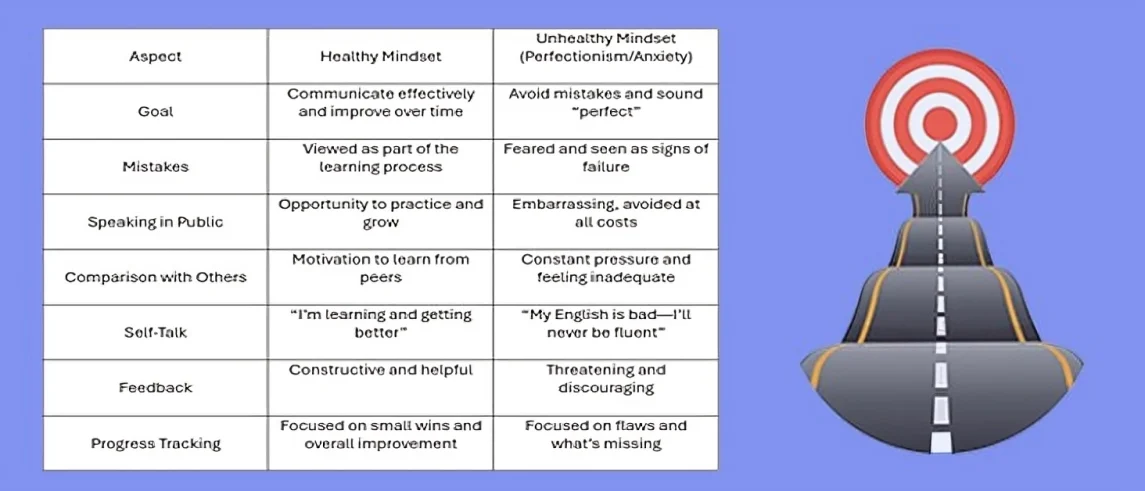
In the realm of English learning, perfectionism often disguises itself as ambition. While it’s natural to want to improve skills, an unhealthy obsession with perfect grammar, accent, or vocabulary usage can paralyze learners.
Many delay speaking until they feel “ready” or avoid writing until every sentence is flawless. Ironically, this perfectionist approach undermines real progress in English learning by discouraging the trial-and-error process essential to mastering the language.
Social Pressures in English Learning Communities
English learning doesn’t happen in a vacuum—it’s deeply social and shaped by community dynamics. Many students find themselves constantly comparing their skills with peers, influencers, or native speakers online.
In competitive or judgmental English learning environments, even casual conversations can feel like high-stakes tests. This social comparison creates insecurity and fear of being seen as “less fluent,” especially when English is viewed as a key marker of intelligence or success. Such emotional burdens disrupt the natural English learning curve and intensify anxiety.
How Cultural Pressure Shapes the English Learning Experience
In many societies, English learning goes beyond academic achievement—it becomes a symbol of status and opportunity. Parents, schools, and employers often expect learners to excel quickly in English, frequently without offering emotional support or realistic expectations. These cultural pressures can negatively impact learners’ motivation and well-being, making the journey more stressful than it needs to be.
These external expectations can intensify perfectionism and worsen anxiety, especially in individuals who already struggle with confidence. The pressure to meet cultural benchmarks of “good English” often leaves learners feeling like failures, even when they’re making solid progress in their English learning journey. This heightened stress can create barriers that slow down overall language development.
English Learning and the Fear of Speaking
Among the most feared aspects of English learning is speaking. Public speaking anxiety is common even in one’s native language, but it becomes especially intense when learners must express themselves in this language. Fear of mispronunciation, grammar mistakes, or simply being misunderstood can cause English learners to remain silent, even if they understand the material well. This reluctance hinders the very skill they need most—real-time communication in English.
The Vicious Cycle of Self-Criticism in English Learning
Once a person begins internalizing negative experiences, a harmful cycle of self-criticism can take hold. Phrases like “My English is terrible” or “I’ll never be fluent” become constant internal mantras. Unfortunately, this mindset only reinforces anxiety and slows down the English learning process. Successful English learning requires patience and self-compassion, but perfectionists often struggle to recognize their own progress. Over time, the initial joy of learning English is replaced by mounting pressure and disappointment.
Mind Over Mistakes: Shifting to a Healthier English Learning Mindset
To combat anxiety and perfectionism in English learning, learners need to adopt a healthier mindset. Embracing mistakes as valuable learning tools is essential in English learning. Instead of striving for flawless English, learners should focus on effective communication and gradual improvement.
Celebrate small victories—completing a conversation, writing a paragraph, or understanding a podcast—all contribute to progress in educating. Practicing mindfulness, self-compassion, and setting realistic goals can significantly reduce stress and help rebuild confidence on this journey.
The Role of Teachers and Institutions in Supporting English Learning
Educators and language institutions have a crucial role in shaping the emotional landscape of educating. A supportive teacher can make a huge difference by normalizing mistakes, providing constructive feedback, and encouraging active participation.
Classrooms that prioritize psychological safety foster risk-taking and resilience, both vital for effective English learning. Institutions should invest in training teachers not only in teaching methods but also in emotional intelligence to better support English learners.
Learning Without Fear: How to Build Safe Online English Environments
In today’s digital world, online platforms have become a major part of studying. However, these spaces can also increase anxiety, especially when feedback is public or learners constantly see “perfect” English on social media. Building safer, more supportive online environments—through moderated communities, anonymous practice tools, and empathetic teaching—helps people manage fear and stay motivated throughout their English learning journey.
For anyone serious about learning English, there are many excellent websites offering high-quality instruction and resources. Popular platforms like BBC Learning English, British Council Learn English, and Duolingo provide interactive lessons, videos, and practice exercises to help learners improve their skills at their own pace.
Complementing these global resources, Danesh Land offers a uniquely friendly and stress-free environment tailored specifically for Iranian students. By providing recorded English books and a supportive community, Danesh Land ensures that learners can enjoy a comfortable and pressure-free experience while advancing their English. Combining the structured lessons from renowned English websites with the personalized approach of Danesh Land creates an ideal learning path for students.
Rethinking What It Means to Succeed in English Learning
English learning should never be a source of shame, fear, or self-punishment. Instead, it should be recognized as a human, imperfect, and joyful process where learners grow at their own pace. To truly move forward in this way, we must redefine success—not as perfection, but as steady progress. By recognizing and addressing the emotional barriers like language anxiety and perfectionism, learners can reclaim English learning as a meaningful journey of growth, confidence, and authentic connection.